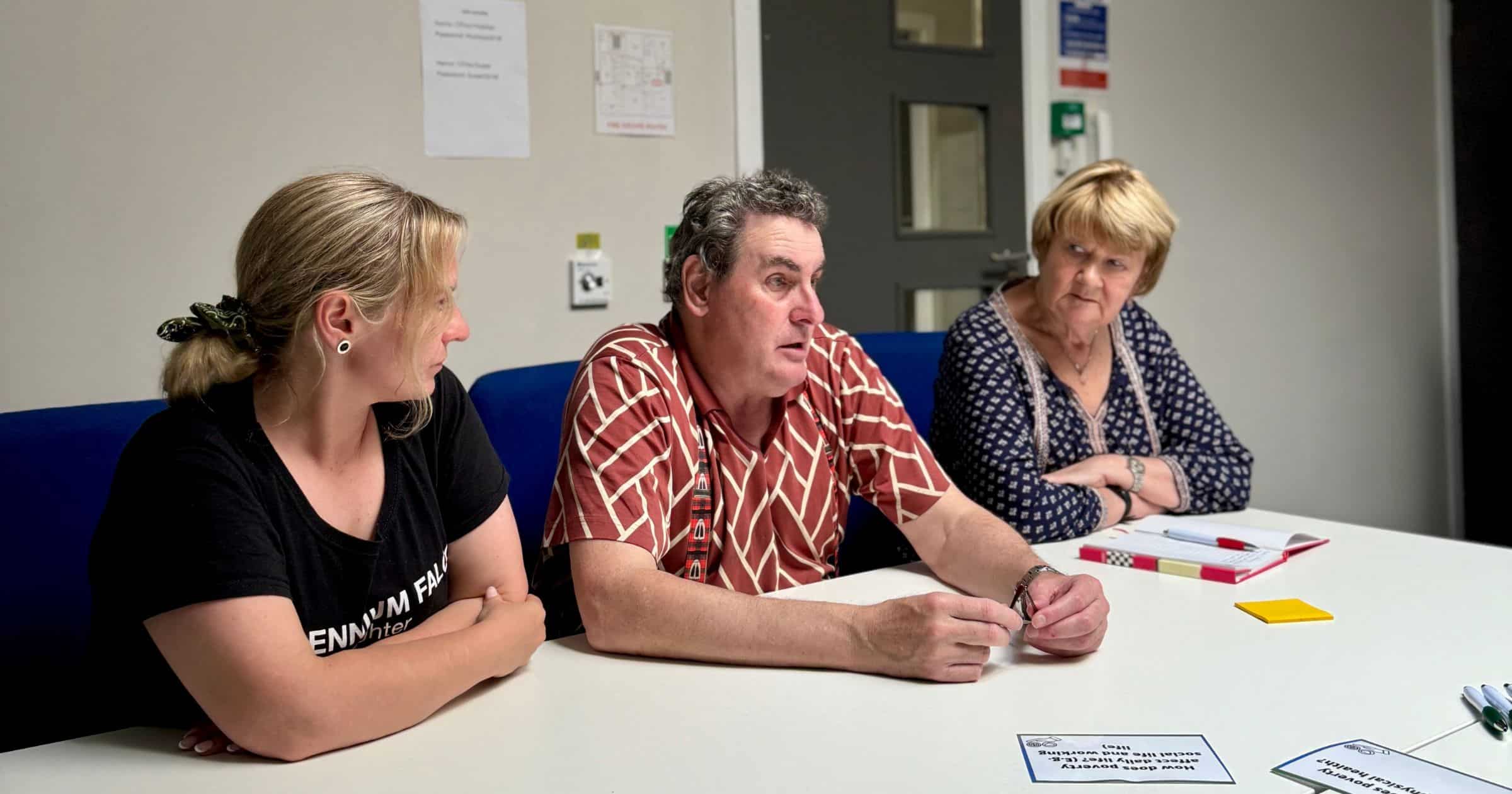
As Scotland prepares for the 2026 national elections, Community Food Initiatives North East (CFINE) is leading an ambitious effort to put the voices of people experiencing poverty, food insecurity, and exclusion directly into the political spotlight. Through the development of a Lived Experience Manifesto, CFINE is ensuring that those with the clearest insight into the impact of current policies are the ones helping to shape what comes next.
This isn’t symbolic engagement. It’s about building political pressure through real participation.
“If you’re living in poverty, dealing with systems that don’t work, you know better than anyone what needs to change,” says Sean McVeigh, Development Worker at CFINE. “It just makes sense that your voice should be central. If lived experience isn’t part of the solution, then whatever policies are being made are going to be out of touch.”
From Listening to Action
CFINE’s lived experience work formally began in 2023 after years of discussion and prior engagement. It was initiated as part of CFINE’s role within Food Poverty Action Aberdeen, with the aim of bringing people with first-hand experience of poverty into decision making processes.
“It took a while to get it going,” Sean recalls. “We were meeting, people would come once and then not return. But we realised quickly that if you’re living in crisis, being asked to regularly commit your time is a big ask. So we adapted, persevered, and slowly built something more sustainable.”
After a year of monthly meetings, the group co-produced a report with CFINE development staff, aimed at informing Food Poverty Action Aberdeen, Aberdeen City Council, The Scottish Government, and other key stakeholders about the experience of residents with first hand experience of food poverty and food insecurity.
That work laid the foundation for the current manifesto project.
“We’ve always wanted this to lead to real change, not just tick-box feedback,” Sean says. “This manifesto is how we take that forward.”
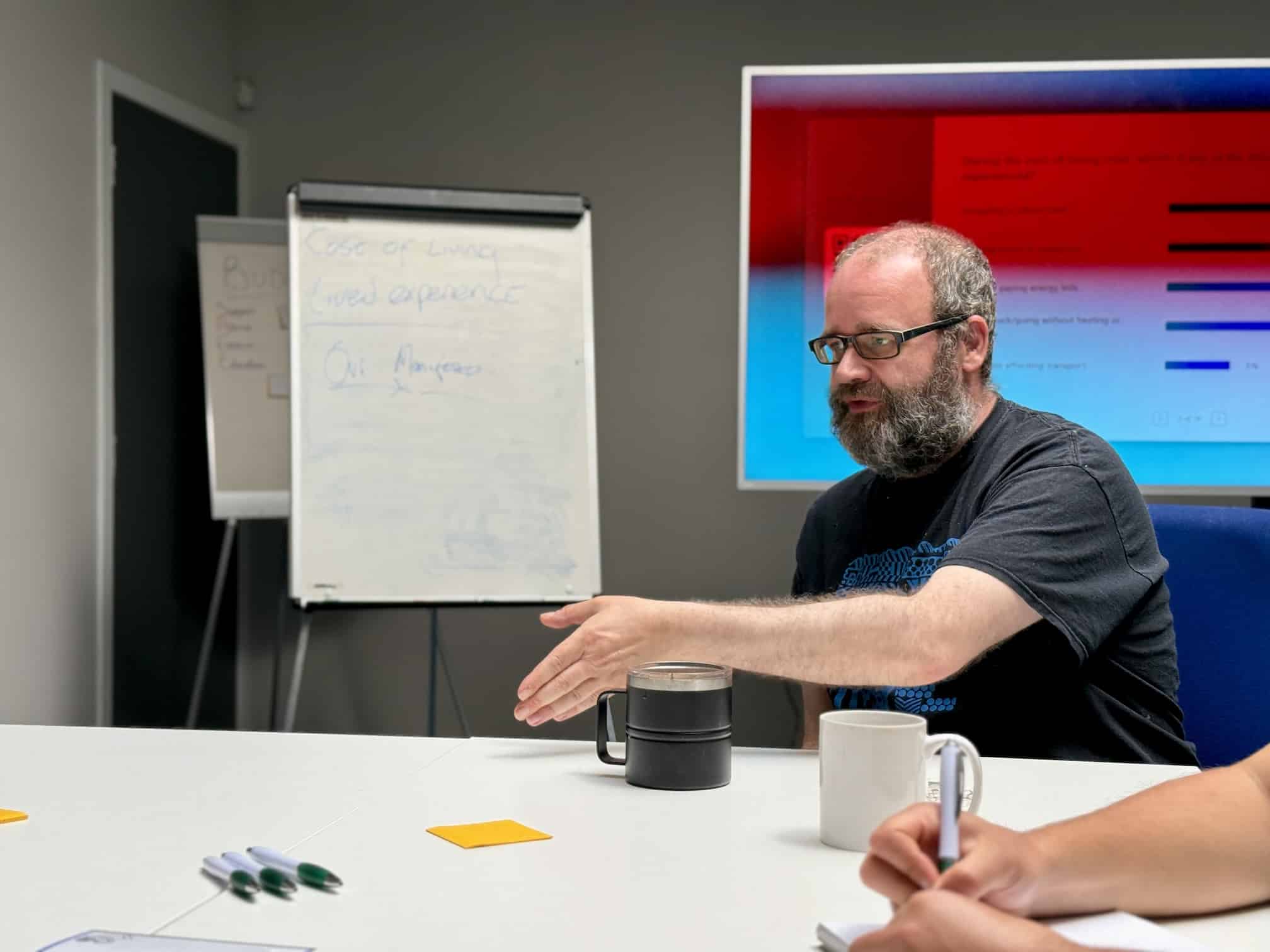
Policy Through Experience
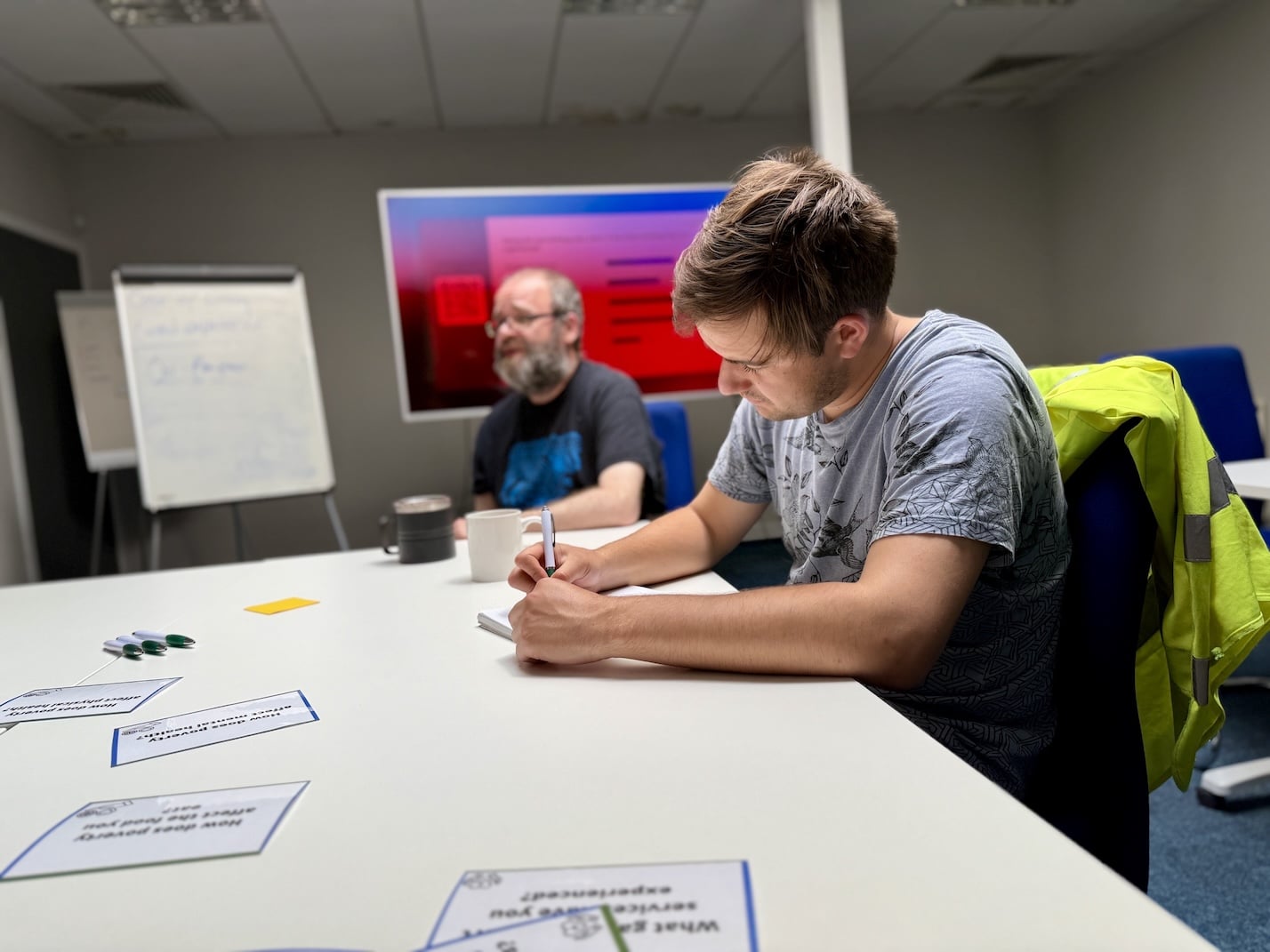
The manifesto is being built on testimony gathered through group sessions and a newly launched Lived Experience Survey, which CFINE hopes will capture a broader range of views across the region.
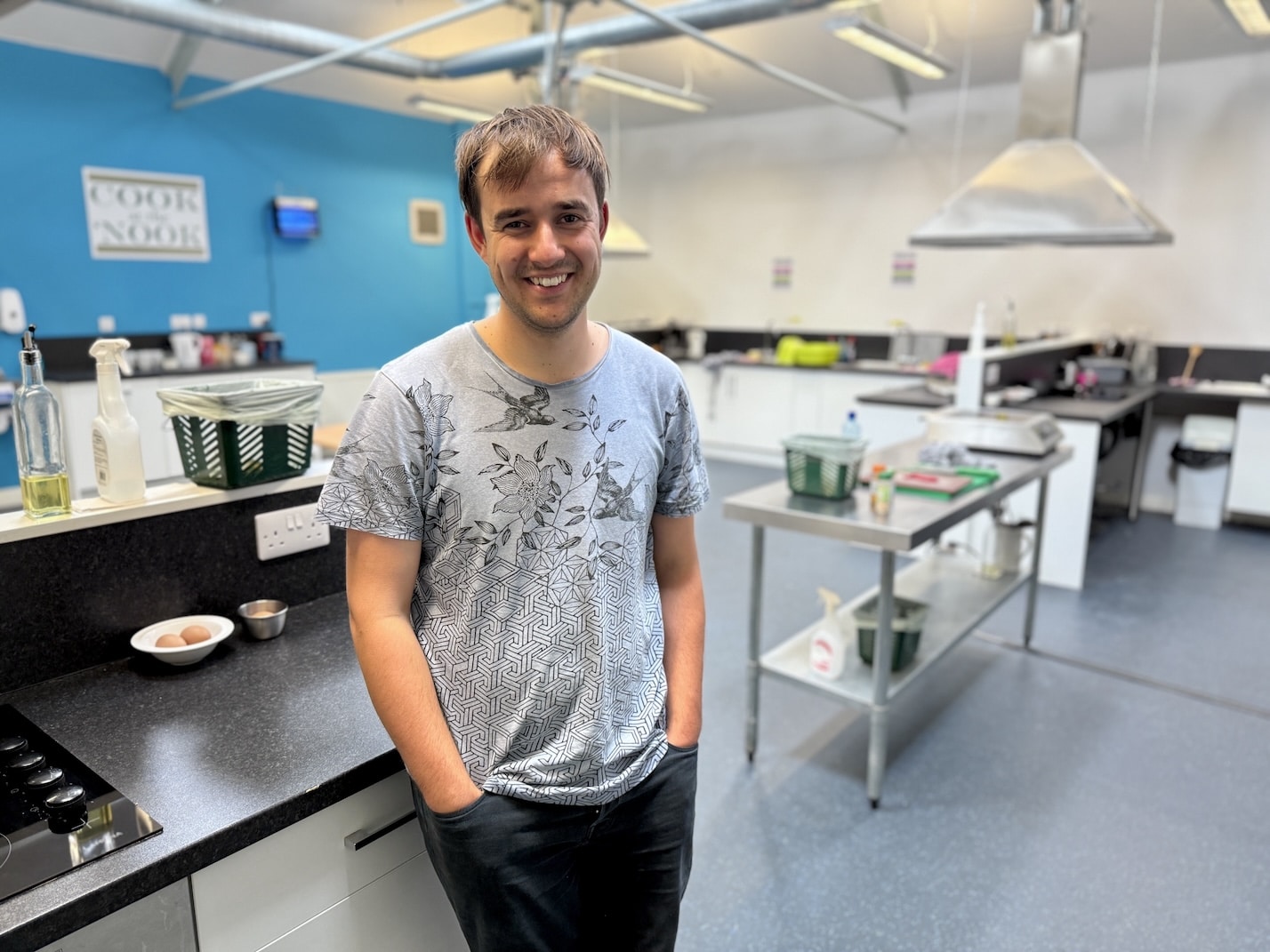
“We realised it’s not always easy for people to attend meetings,” explains Will Redpath, Operations and Development Assistant at CFINE. “So we designed a short survey – just five or ten questions – to gather experiences of poverty, the cost of living crisis, and and what solutions people want to see. That forms the backbone of this manifesto.”
Will sees the project as a shift in power. “It’s not top down. It’s people telling us directly: this is the problem, and here’s what might actually help. The people most affected by these policies are the ones who should shape them. It feels like common sense when you say it, but it’s not how things usually work.”
Sean agrees: “We want to say to politicians: here is lived experience, here is evidence, here is what people are saying. It’s no longer good enough to say you care about poverty if you’re not listening to the people actually living through it.”
He adds, “We’re trying to build something that’s meaningful – not just stories to pull on heartstrings, but something that has the power to shape what comes next. There’s been a lot of chat, but not enough action. This is our way of saying, ‘Here’s what real people are telling us. Listen.'”
The Reality of Living It
For group member Kirsty, the work is personal as well as political. Her experience navigating social services, disability benefits, and mental health systems has shown her how often those systems are built for efficiency, not people.
“They just expect you to fit into a box. But you can’t always do that,” she says. “Whether it’s digital exclusion, poverty, mental health, disability – whatever it is, we get slotted into systems that don’t always work for us as they should. And when you try to say that, it often feels like you are not being listened to.”
Having found CFINE through Healthy Minds, Kirsty credits the organisation with helping her get connected to services she didn’t know existed. “You often have to dig for support or opportunities in your local area. And when you’re struggling, you don’t always have the strength to seek things out for yourself. That’s why these kinds of groups matter. They empower you to take the next step, and they help others to do the same.”
“Information not being shared is hurting people,” she says. “It’s hurting people with disabilities, it’s hurting people in poverty, and it’s keeping people isolated.”
She also sees stigma as a huge barrier: “Stigma is such a big reason why people don’t share their voice. But it just takes one person to speak out, and then someone else goes, ‘Yeah, me too.’ It creates this ripple effect. It builds confidence. It builds community.”
Kirsty also stresses that poverty doesn’t exist in isolation – it intersects with mental health, housing, education, and community support. “Poverty isn’t just about not having enough money for food,” she says. “It’s the house you live in, it’s your mental health, it’s how connected – or disconnected – you feel from everything around you. And if we’re serious about tackling poverty, we need to stop looking at all these things as separate issues and start listening to the people who are living it every day.”
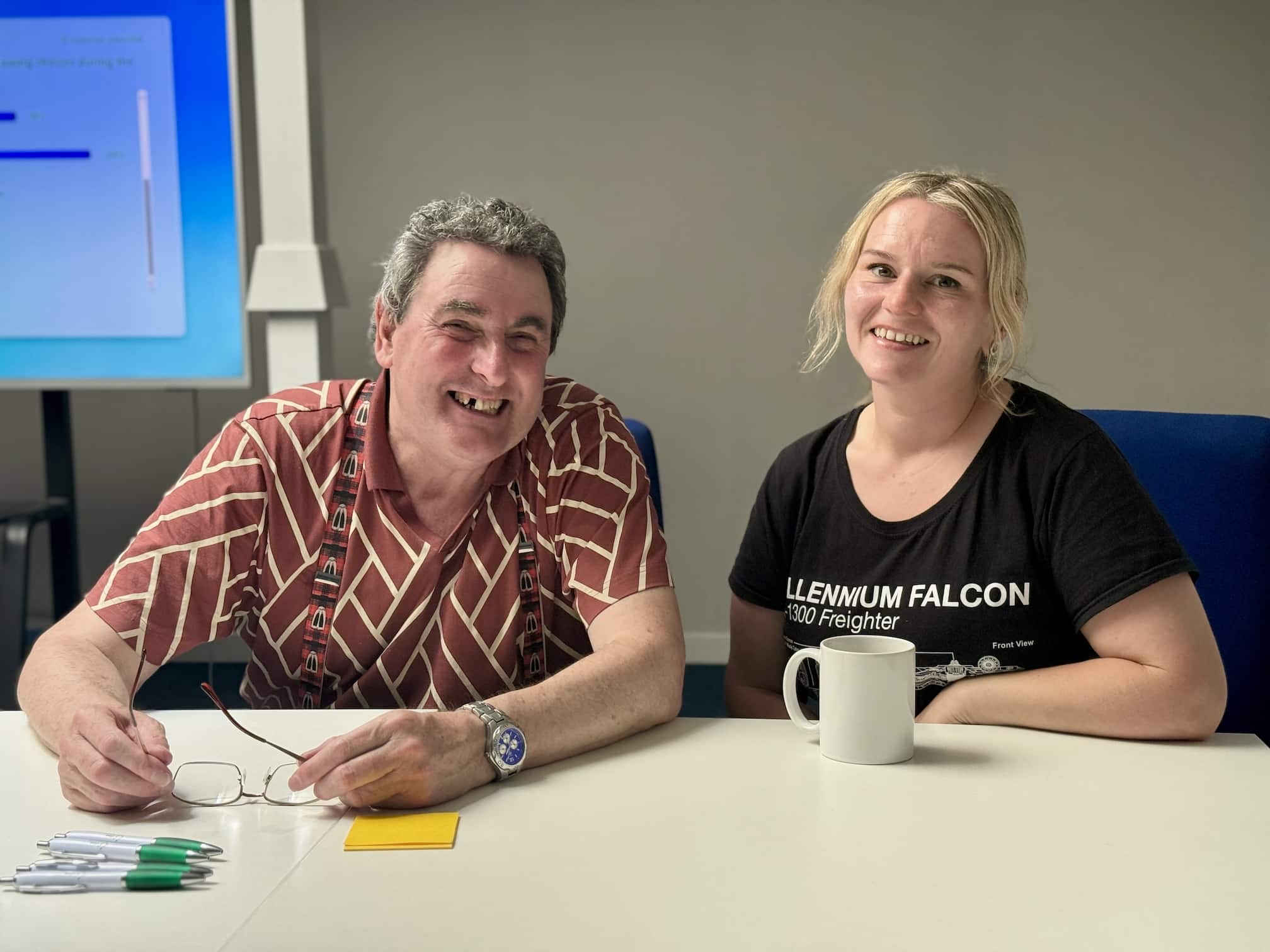
Kirsty hopes that the voices being shared now will lead to real action. “The government works for us. But sometimes they need to be reminded. You can’t keep making policies that sound good on paper but don’t work in real life. That’s why this manifesto matters. It needs to come from the ground up.”
David, another participant, reflects on how isolating it can be. “Once I get home, I don’t hear from anyone. It’s like I’m cut off. But through CFINE, I’ve found out about support in my own community I didn’t know was there.”
She also believes the importance of volunteers goes beyond maintenance. “Parks can be abused rubbish left behind, things neglected. But the more local people get involved, the more they feel protective of the space. It really does make a difference.”
Sheila agrees: “Once it belongs to you, you get angry when people make a mess of it. That’s why we start young, get children involved in litter picking and planting. If they respect it early, they’ll grow up to care for it.”
From Food to Voice
CFINE’s work has always combined practical support with dignity and empowerment. The food pantry is one example. “Being able to choose what food you get makes a big difference,” says Beth Robertson, a member of the pantry team. “We show people how to cook, give them confidence, and help them feel in control again. It’s not just about feeding people – it’s about giving them the tools to feed themselves and their families, and to make informed, healthy choices.”
That same principle – centring agency and lived experience – runs through the manifesto project. “This is about shifting the narrative from statistics to stories, from numbers to names,” says Will. “When you hear someone talk about their life, it lands differently. That’s what we’re trying to get across to politicians.”
“We’re often told to trust ‘evidence-based policy,’ but too often that evidence is disconnected from the people it’s supposed to represent. When someone has lived through a broken system, what they have to say isn’t a side note – it’s critical knowledge. It’s exactly the kind of insight that should be driving policy.”
To broaden participation, CFINE is also planning targeted events for underrepresented groups.
“We’re going out to different communities – faith groups, young people, disabled people – to make sure we’re not just hearing from one group,” Sean says. “And we’re working with SHMU to produce videos and digital content so that the message gets out in different ways.”
The final manifesto will be shared directly with MSPs, candidates, and key decision-makers across Scotland.
Be Heard
The Lived Experience Survey is now open, and CFINE is calling on anyone with experience of poverty, food insecurity, housing challenges, or exclusion to take part. Every response will help shape a manifesto grounded in real insight and lived reality.
Take the survey here: bit.ly/40fjCW3
“The goal is simple,” says Will. “We want to build something that politicians can’t ignore. These aren’t just statistics – these are real lives, real people, and they need real solutions.”
Sean adds “There’s power in what people are sharing, and we all have a responsibility to act on it. This manifesto is how we make that happen.
This article originally appeared in the July 2025 edition of ACVO News, our free monthly digital magazine for and from the the third sector in Aberdeen. Read the current and past editions, and sign up to our mailing list, at acvo.org.uk/acvo-news